ENG
ENG  English
 Español
 Português
 عربى
عربى 中文简体
中文简体Compression molding remains a practical manufacturing method for producing plastic components with stable structure and repeatable dimensions. For buyers sourcing tooling or finished parts, understanding how a Compression Mould works and how factories manage it can reduce communication gaps and project delays. From mold design to long-term upkeep, each step influences cost control and production rhythm.
Factories often receive questions about what really matters beyond price. The answers usually relate to process discipline, maintenance habits, and how closely Compression Mould Manufacturers work with customer requirements instead of relying on generic solutions.
How a Compression Mould Is Used in Daily Production
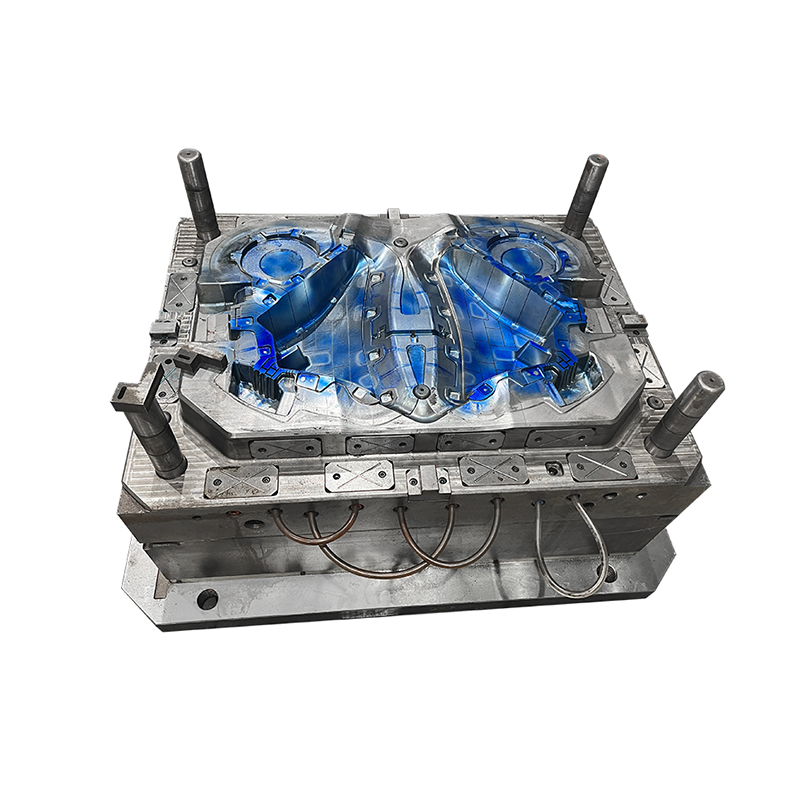
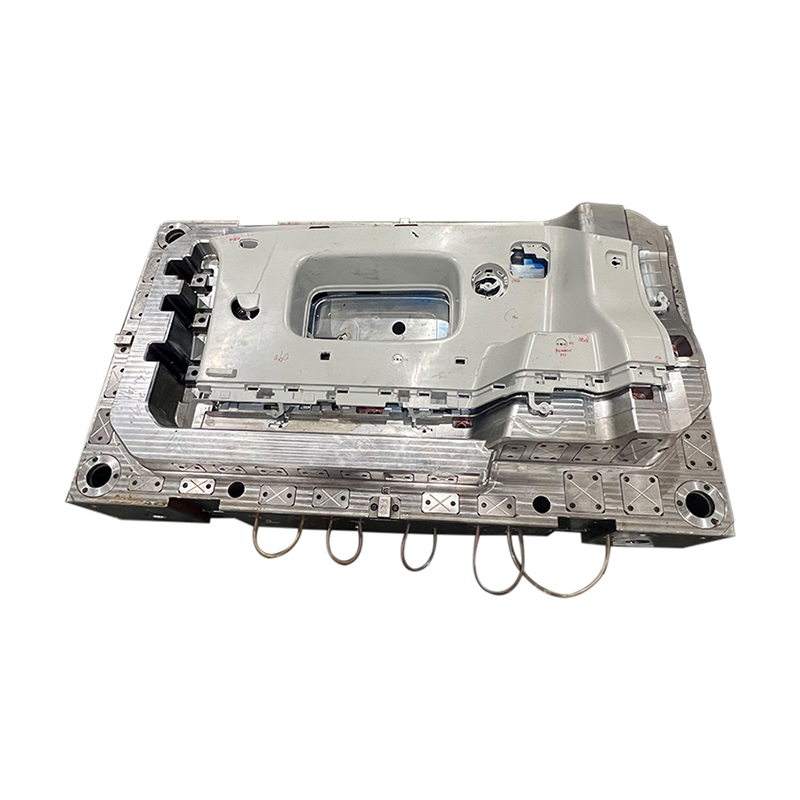
In compression molding, measured plastic material is placed into a heated mold cavity. Pressure shapes the material as the mold closes, forming the final geometry after cooling. This process suits parts that require uniform thickness and controlled material flow.
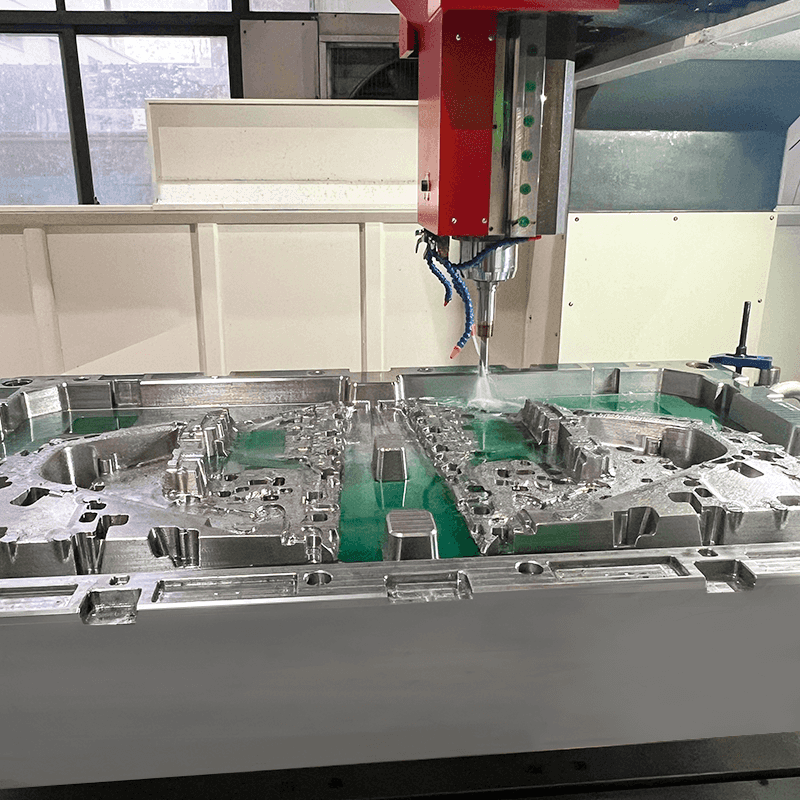
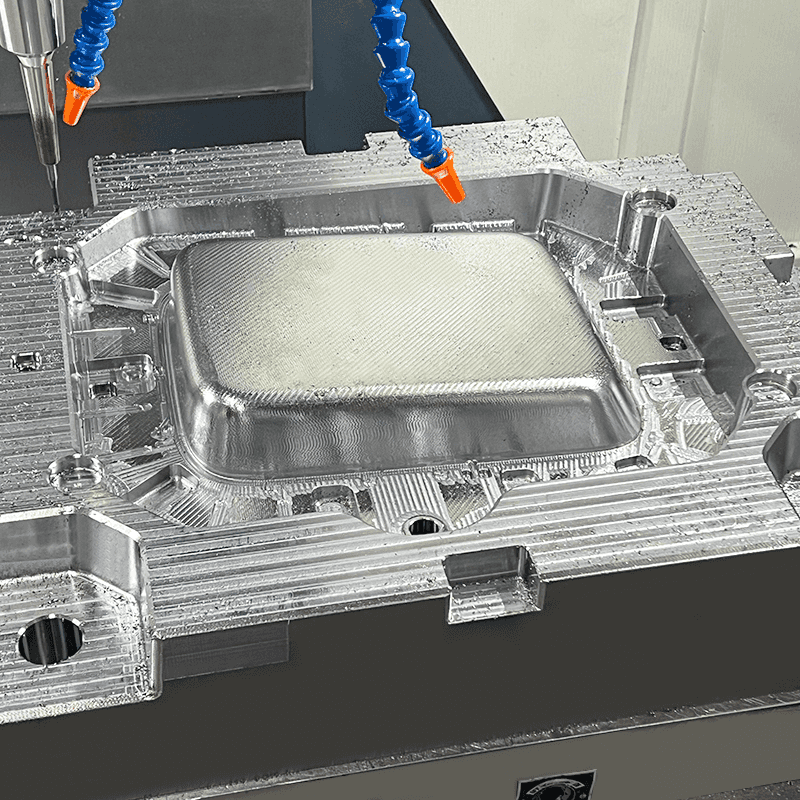
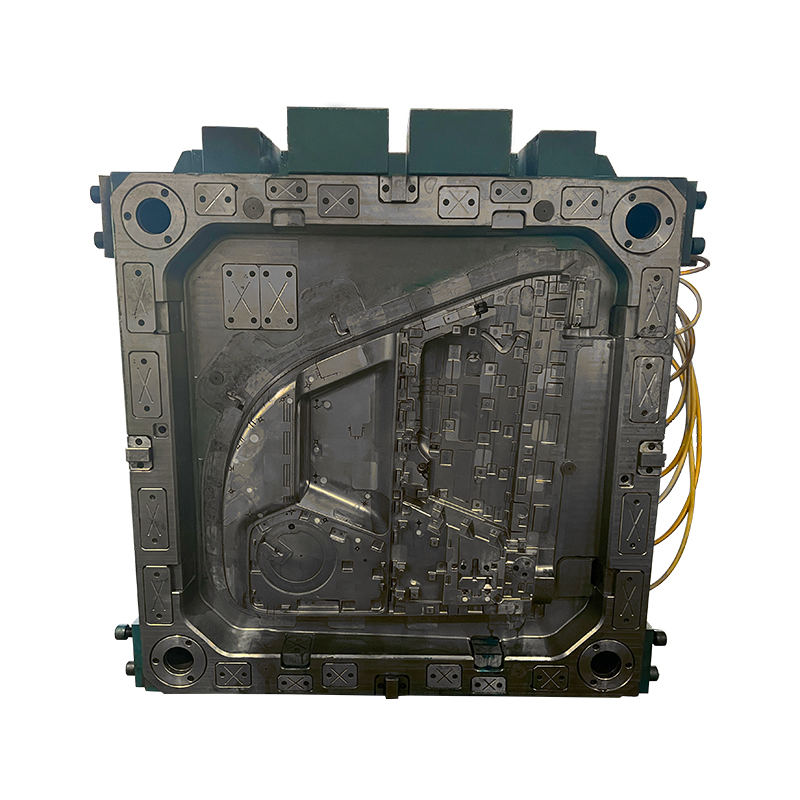
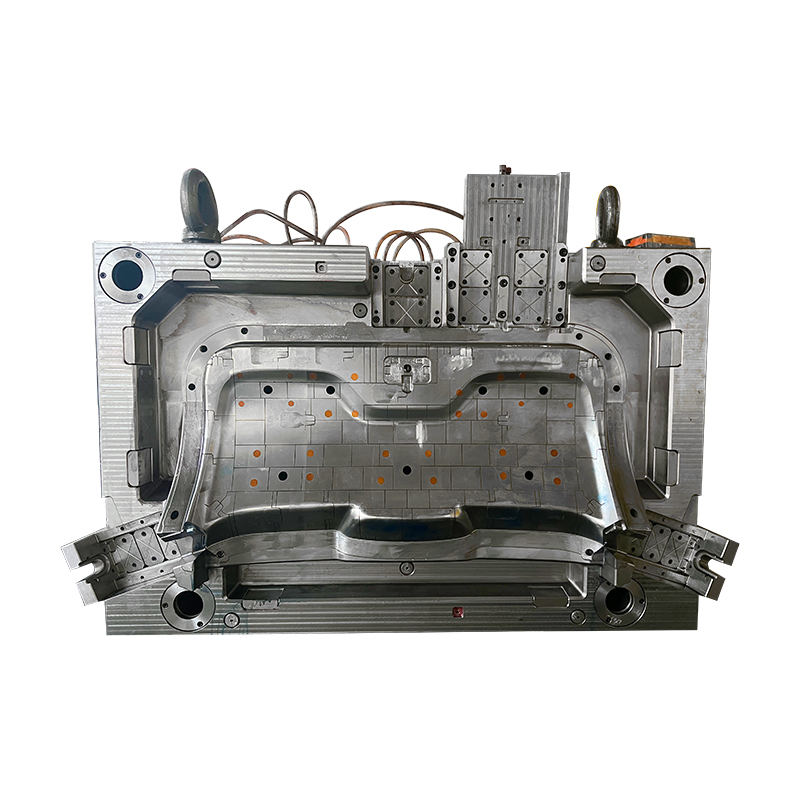
From a factory view, the Compression Mould is not only a tool but also a long-term production asset. Its surface condition, alignment accuracy, and thermal response all influence part stability. When these aspects are overlooked, buyers may see variation between batches even when raw materials stay the same.
Maintenance Practices That Matter to Buyers
Routine care of molds plays a direct role in output quality. Many experienced Compression Mould Manufacturers emphasize maintenance routines rather than quick fixes.
Common practices include:
- Cleaning and inspection
After production runs, mold surfaces are cleaned to remove residue. Visual checks help identify early signs of wear, such as surface marks or alignment deviation.
- Lubrication management
Moving components require compatible lubricants to reduce friction during repeated cycles. This supports smoother opening and closing behavior.
- Temperature monitoring
Heating elements and cooling channels are checked regularly. Stable temperature behavior supports consistent shaping during compression.
When molds are not in operation, clean and dry storage conditions help avoid corrosion and accidental impact damage.
Compression molding originated in the early twentieth century and was initially associated with thermosetting plastics. As materials evolved, factories gained access to a wider selection of plastics suited to compression processing. This allowed broader application across industrial sectors.
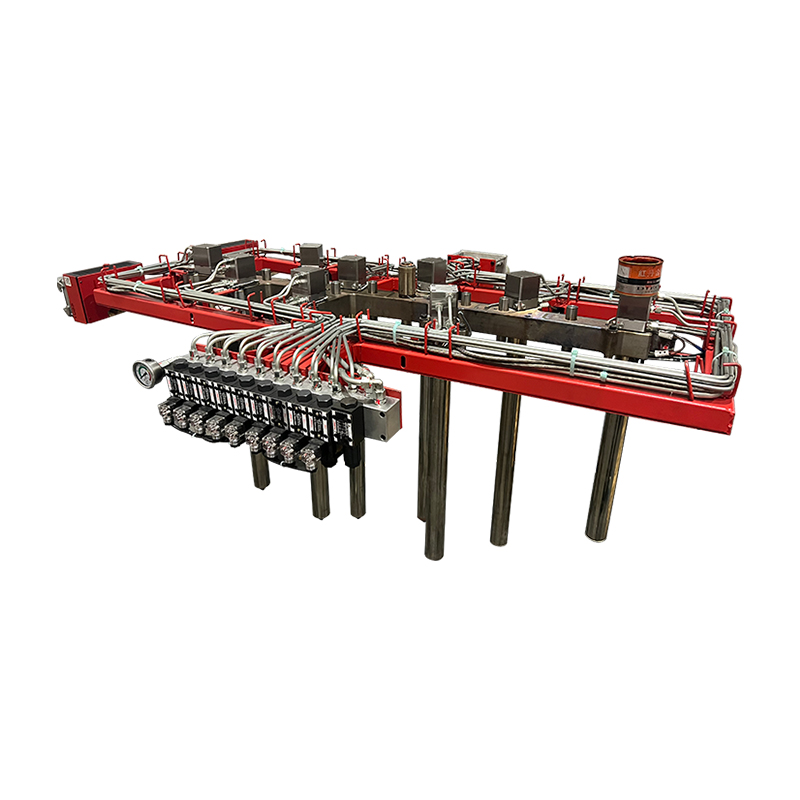
Modern production environments often integrate digital controls to manage pressure, temperature, and cycle timing. This shift supports repeatable output and clearer data feedback during production runs. Compression Mould Manufacturers now focus on balancing traditional tooling knowledge with process control systems that align with customer drawings and tolerances.
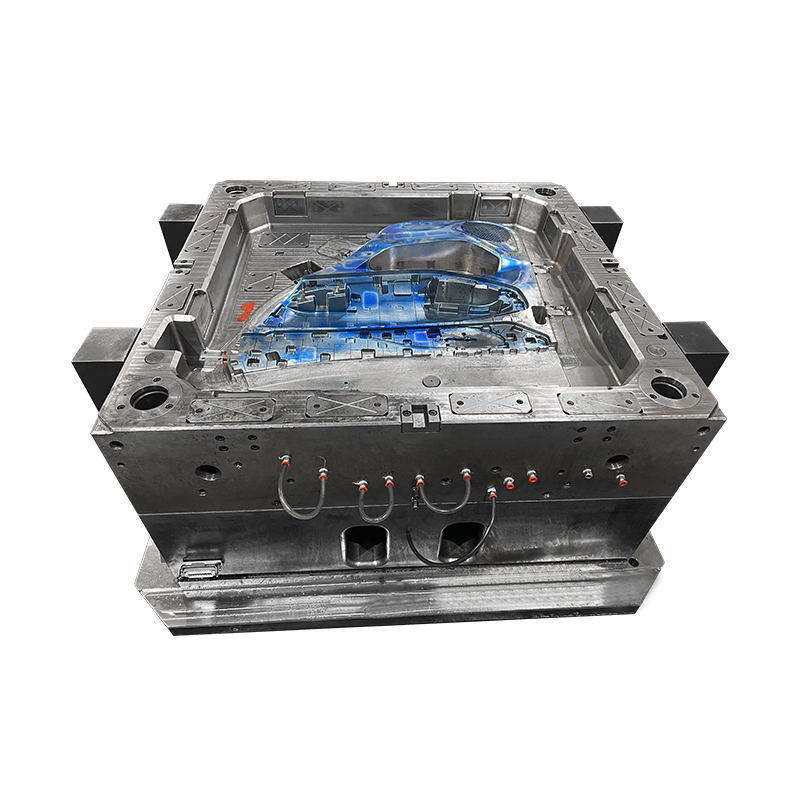
Industries such as automotive components, electrical housings, and industrial panels continue to adopt compression molding because it fits parts that need structural stability and consistent geometry.
What Buyers Often Look for in Compression Mould Manufacturers
When selecting suppliers, buyers tend to value communication and technical clarity. Compression Mould Manufacturers that explain mold structure, maintenance expectations, and production limits help customers plan realistic timelines.
Clear discussion about material behavior, mold lifespan, and production rhythm reduces misunderstandings during later stages. Rather than selling a one-size option, factories that adapt Compression Mould details to part drawings and usage conditions usually gain longer cooperation cycles.
For B2B buyers, understanding how a Compression Mould is maintained, developed, and applied offers practical insight into production reliability. This knowledge supports better sourcing decisions and smoother collaboration throughout the manufacturing process.