


 ENG
 English
 Español
 Português
 عربى
 中文简体

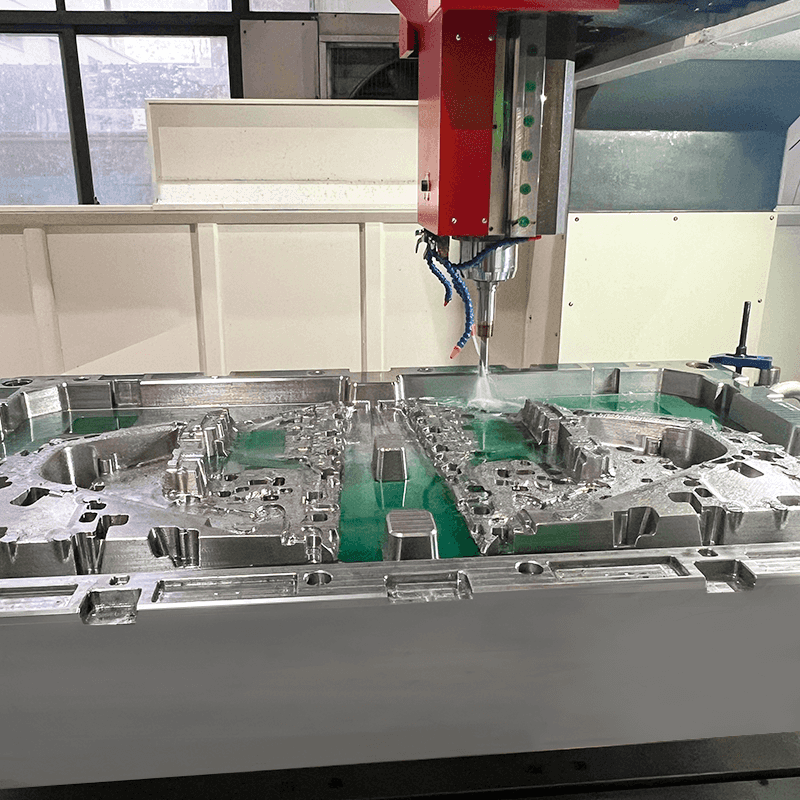
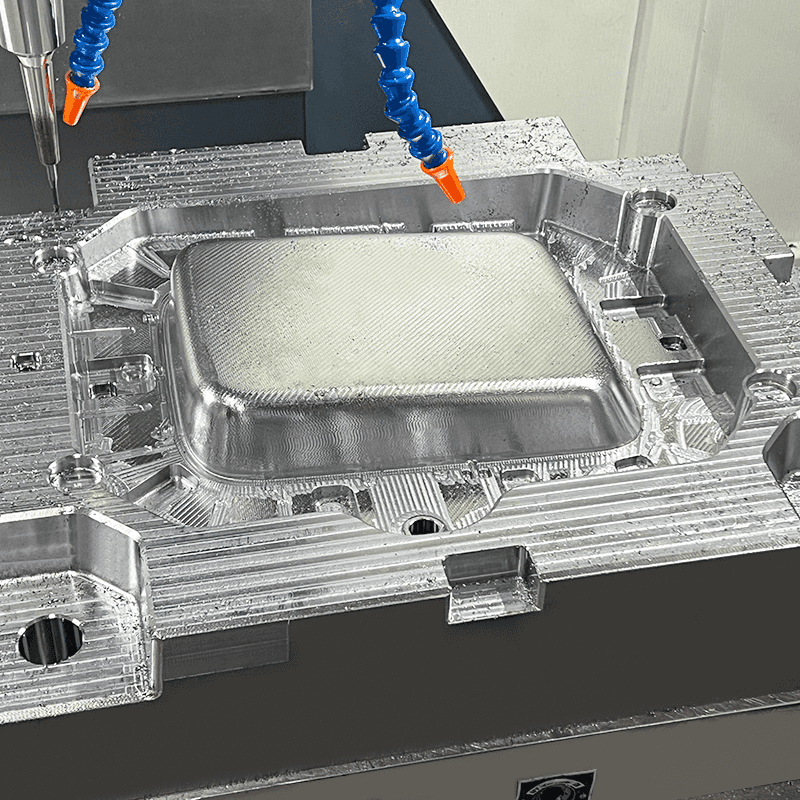
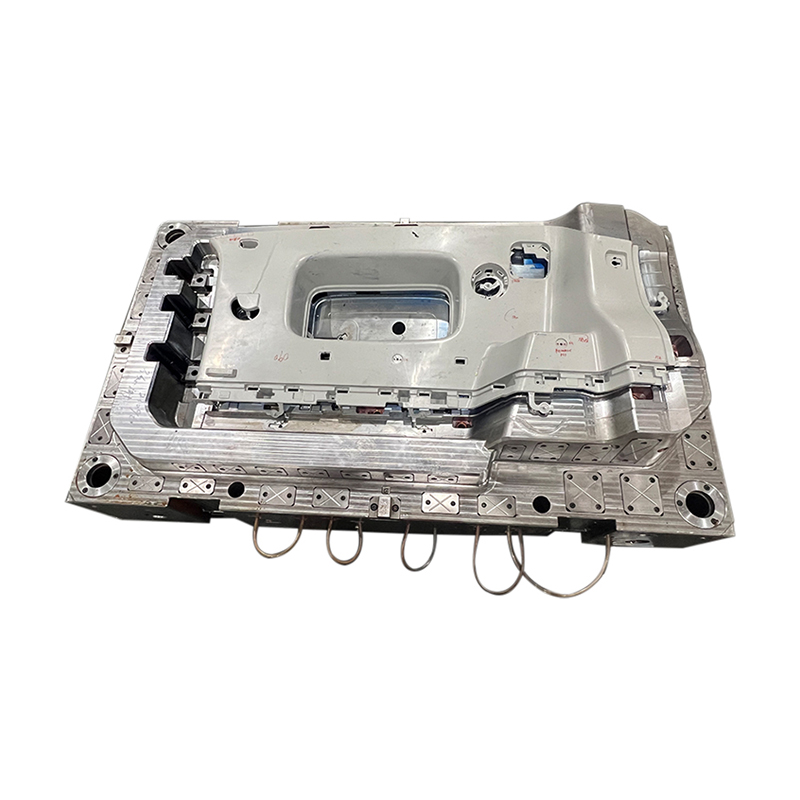
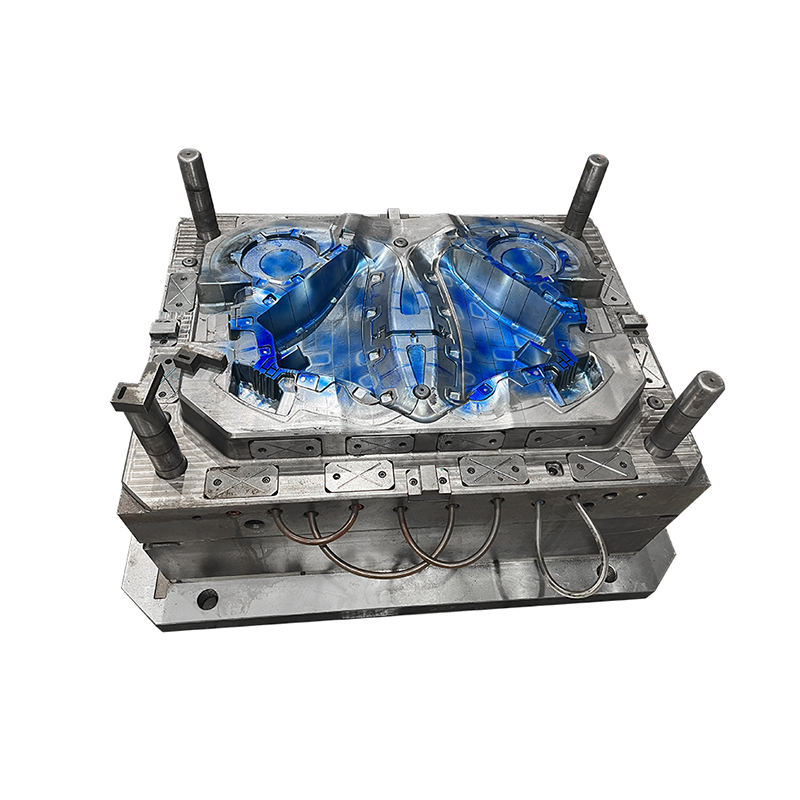
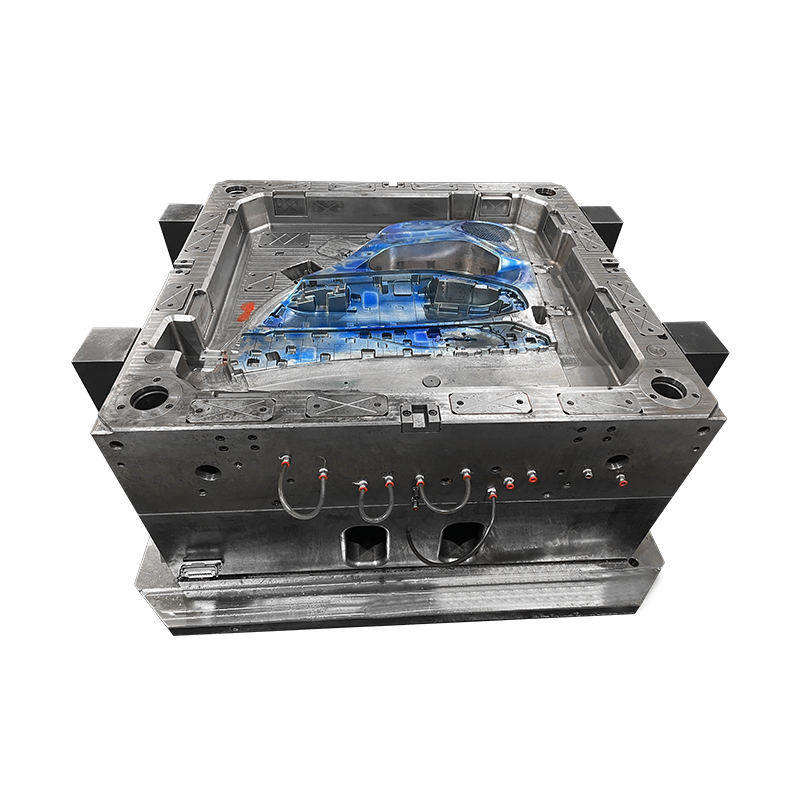
SMC Anti-slip Floor Mould
|
Product Application |
construction, sites, water system, telecom and etc |
|
Mould Type |
Compression mould |
|
Mould Steel |
P20 / S50C / S45 |
|
Mould Cavity |
Single cavity / Multiple cavities / Multiple cavities with interchangeable inserts |
|
Heating System |
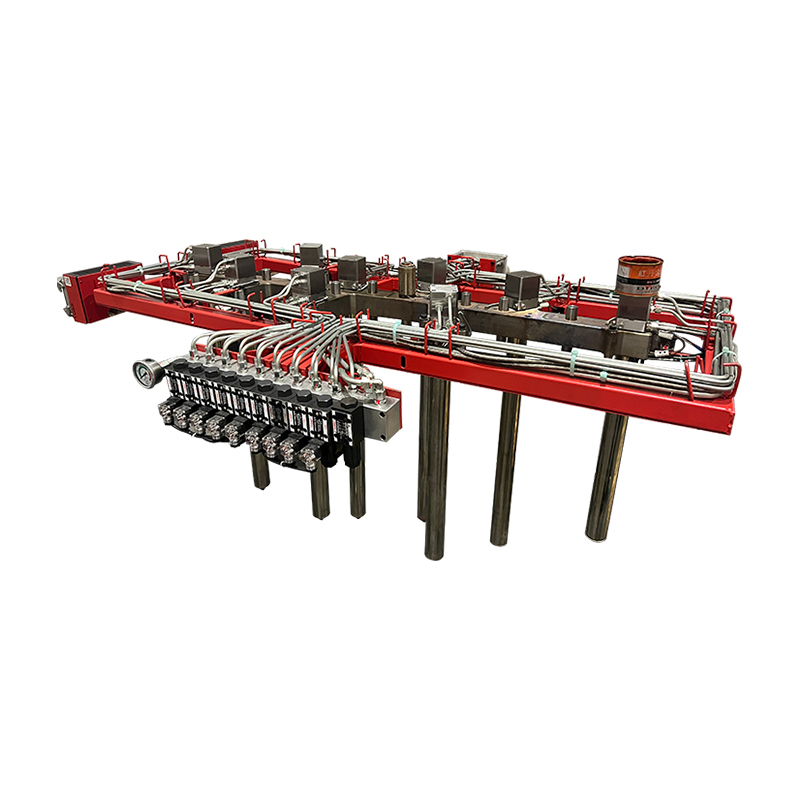
Oil heating / Electrical rods heating |
|
Ejection System |
Hydraulic eject with air assist / hydraulic pins |
|
Mould Cycle |
depends on mould steel, P20 could support around 300 thousand lifespans |
|
Lead Time |
50 days |
Liberal Mould specialises in composite mould and injection mould, we are capable of providing a one-off solution for our customers from mould development, design, and mould making to finished products according to our customer requirements.
This mould produces anti-slip floor panels made from SMC (Sheet Molding Compound). Size, surface pattern, shape, color — all of it can be adjusted depending on what the flooring project actually needs.
Material
The mould itself is made from suitable mould steel. The panels that come out of it are SMC composite — strong but not heavy, good electrical insulation, and solid resistance to moisture and corrosion. What color the panel ends up being really just comes down to the material and pigments used.
Main Features
- Anti-slip Surface – textured patterns like diamond or other geometric designs can be built into the surface.
- Structural Strength – holds up fine for flooring work as long as the load-bearing design fits the application.
- Environmental Resistance – stands up to moisture and some chemicals, though this depends on the specific material formulation.
- Custom Design – dimensions, surface textures, and edge structures are all open to adjustment.
- Consistent Production – a well-made mould keeps the panel shape and surface detail uniform from batch to batch.
Applications
These panels show up in industrial workshops, warehouses, commercial kitchens, public walkways, washing areas, and construction projects — basically anywhere a slip-resistant floor matters.
Usage and Maintenance
- Getting good results starts with matching the mould design to the SMC material and the production equipment on hand.
- Temperature, pressure, and curing conditions all need to stay under control while running production.
- Clean and inspect the mould regularly — it's the easiest way to catch problems before they show up in the finished panels.
- Once panels are done, check them for cracks, deformation, dimensional accuracy, and whether they actually hold up to the slip resistance the application calls for.

-
Address: Xiayanggu Industrial Area, Beicheng Street, Huangyan District, Taizhou City, Zhejiang, China.
-
Phone: +86-576-84203239 / +86-13511478976 /
+86-13511476688 / +86-13586042245 -
Email: [email protected] /[email protected] /[email protected]
-

Julia Chen
[ Managing Director ] -

Howard Lew
[ Project Manager ] -

Grant Zhang
[ Project Manager ]
Copyright © Taizhou Chenlin Plastic Mould Co., Ltd.

SMC Anti-slip Floor Mould Supplier