


 ENG
 English
 Español
 Português
 عربى
 中文简体

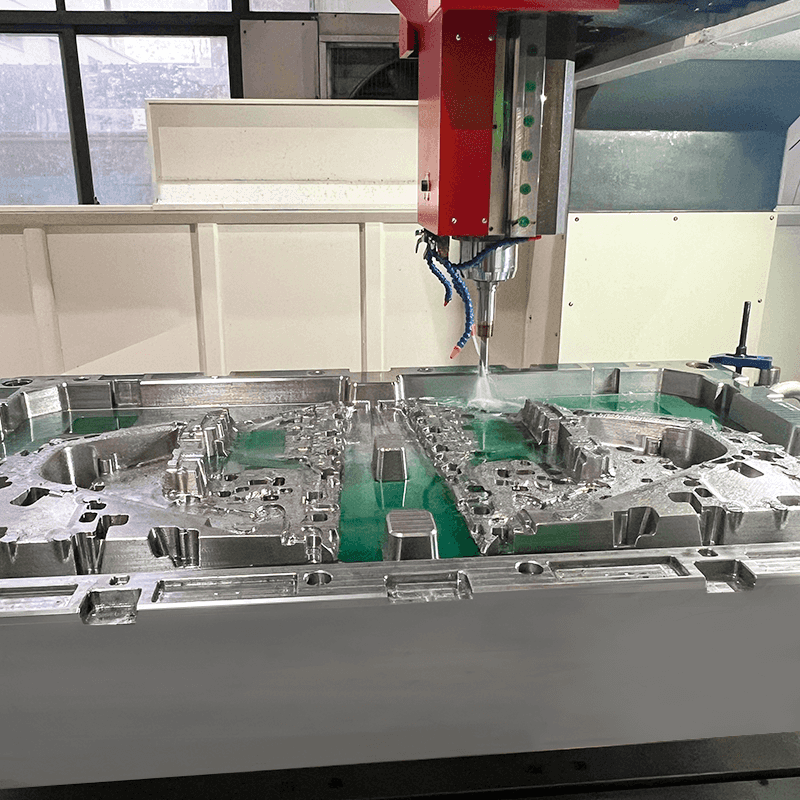
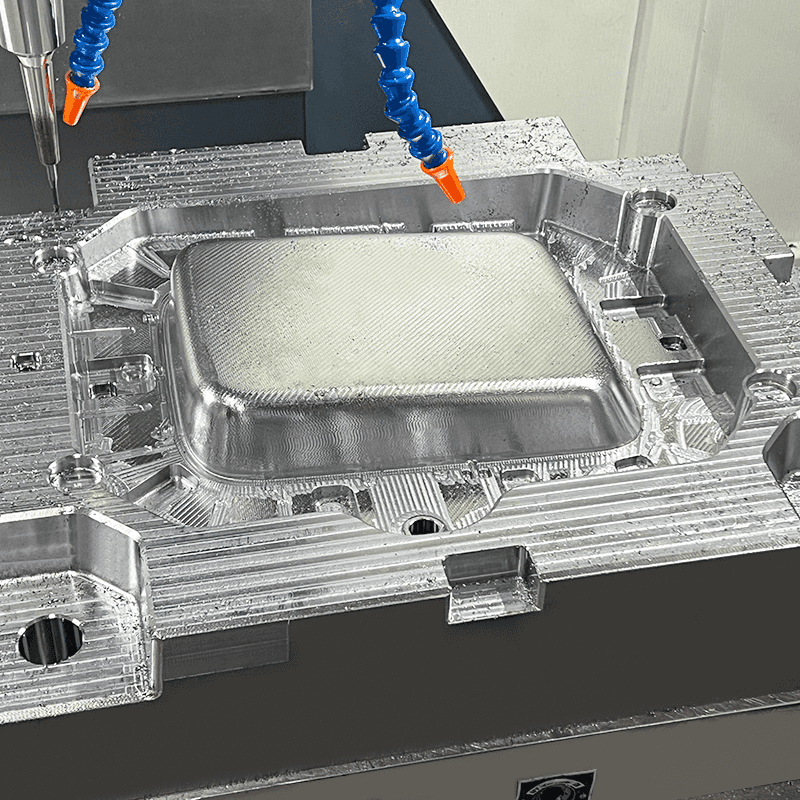
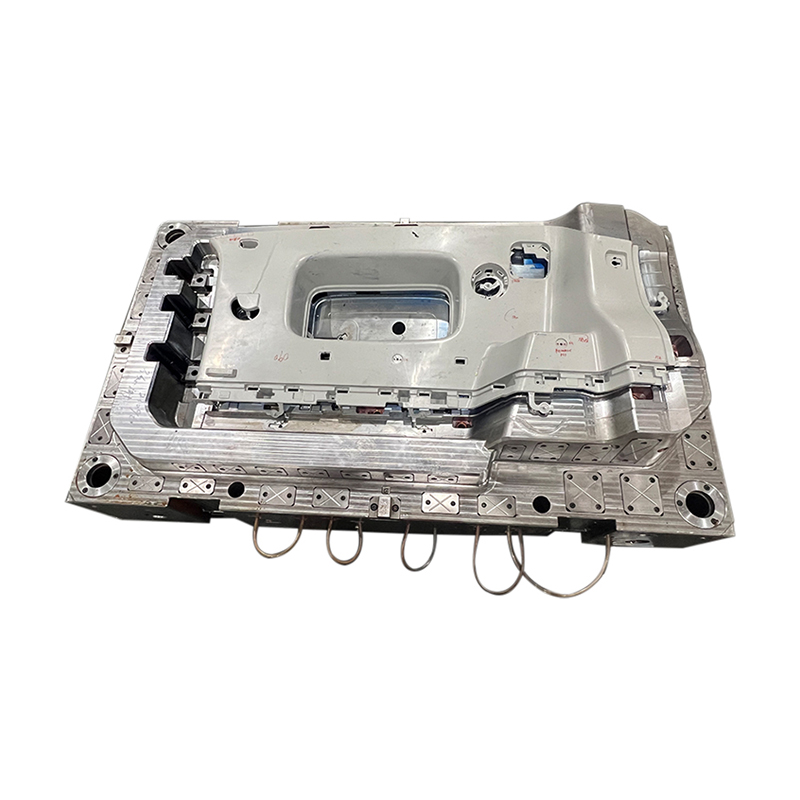
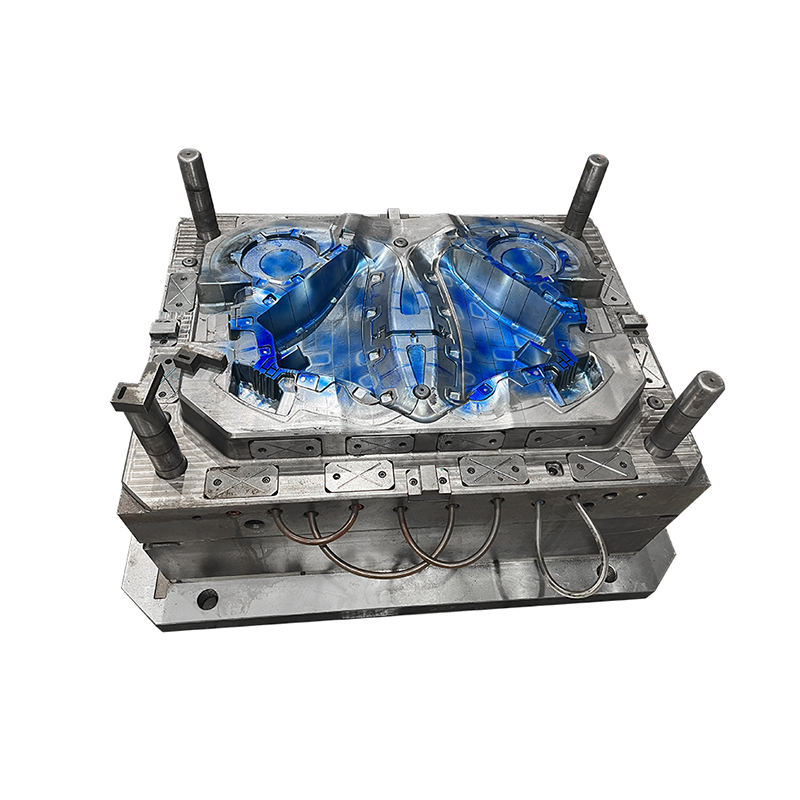
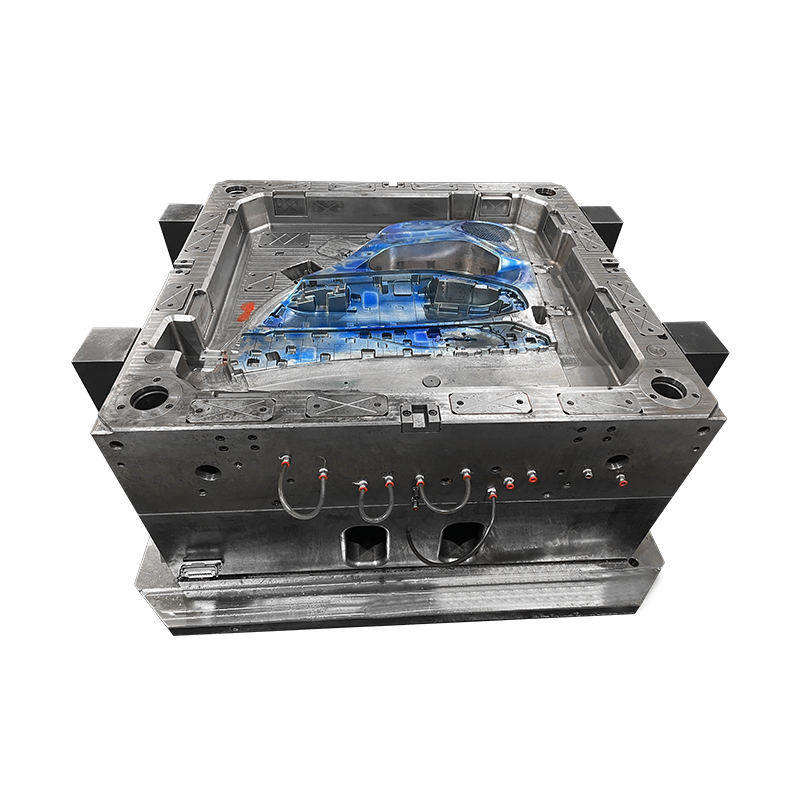
SMC Flooring Mould
|
Product Application |
construction, sites, water system, telecom and etc |
|
Mould Type |
Compression mould |
|
Mould Steel |
P20 / S50C / S45 |
|
Mould Cavity |
Single cavity / Multiple cavities / Multiple cavities with interchangeable inserts |
|
Heating System |
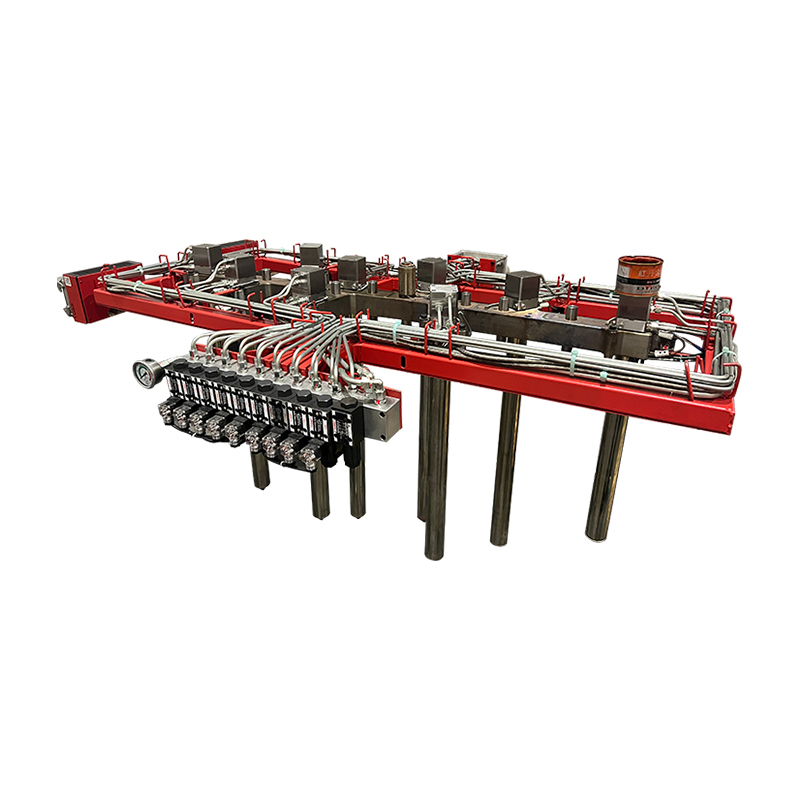
Oil heating / Electrical rods heating |
|
Ejection System |
Hydraulic eject with air assist / hydraulic pins |
|
Mould Cycle |
depends on mould steel, P20 could support around 300 thousand lifespans |
|
Lead Time |
50 days |
Liberal Mould specialises in composite mould and injection mould, we are capable of providing a one-off solution for our customers from mould development, design, and mould making to finished products according to our customer requirements.
This mould produces composite floor panels made from SMC (Sheet Molding Compound). Panel dimensions, surface pattern, thickness, structural details — all of this can be adjusted depending on the project, and the mould works for both indoor and outdoor flooring applications.
Material
SMC itself is a composite made up of thermosetting resin, glass fibers, fillers, and other additives mixed in. It gives you decent structural strength without piling on weight. Depending on exactly how it's formulated, the finished panels can resist moisture, corrosion, heat, and certain chemicals too.
As for the mould, it's made from whatever mould steel fits the product design and production process best. Surface texture and panel color are both open to selection based on what the project needs.
Main Features and Advantages
- Structural Strength – SMC panels handle regular foot traffic and mechanical loads fine, assuming the design is right for the job.
- Lightweight Construction – easier to transport, handle, and install compared to a lot of heavier flooring materials out there.
- Environmental Resistance – the right formulation can resist moisture, weather exposure, and certain chemicals.
- Thermal and Sound Insulation – depending on structure and installation, SMC panels can help cut down on heat transfer and sound transmission.
- Flexible Design – the mould supports different panel shapes, surface textures, edge details, and dimensions.
- Low Maintenance Needs – the cured surface is generally easy to clean, though how well it actually resists stains, mold, and wear comes down to the material and the environment it's used in.
Application Fields
These moulds get used to produce composite floor panels for industrial workshops, warehouses, public walkways, commercial buildings, residential projects, schools, and healthcare facilities. Outdoor flooring is also possible as long as the chosen material meets the weather resistance the application requires.
Design and Production Considerations
The mould structure needs to line up with the panel drawings, the SMC formulation, and the production equipment being used. Panel thickness, reinforcing structures, surface patterns, and connection details all need thinking through at the design stage. Mould temperature, pressure, and curing conditions should stay controlled throughout to keep product quality consistent.
Usage and Maintenance Notes
Cleaning and inspecting the mould on a regular basis helps keep it in good shape. Finished panels need to be checked for cracks, deformation, uneven surfaces, and dimensional errors. Load capacity, slip resistance, fire performance, and weather resistance should all be verified against what the application actually requires. If thermal or sound insulation matters for the project, that performance should get assessed too.

-
Address: Xiayanggu Industrial Area, Beicheng Street, Huangyan District, Taizhou City, Zhejiang, China.
-
Phone: +86-576-84203239 / +86-13511478976 /
+86-13511476688 / +86-13586042245 -
Email: [email protected] /[email protected] /[email protected]
-

Julia Chen
[ Managing Director ] -

Howard Lew
[ Project Manager ] -

Grant Zhang
[ Project Manager ]
Copyright © Taizhou Chenlin Plastic Mould Co., Ltd.

SMC Flooring Mould Supplier