


 ENG
 English
 Español
 Português
 عربى
 中文简体
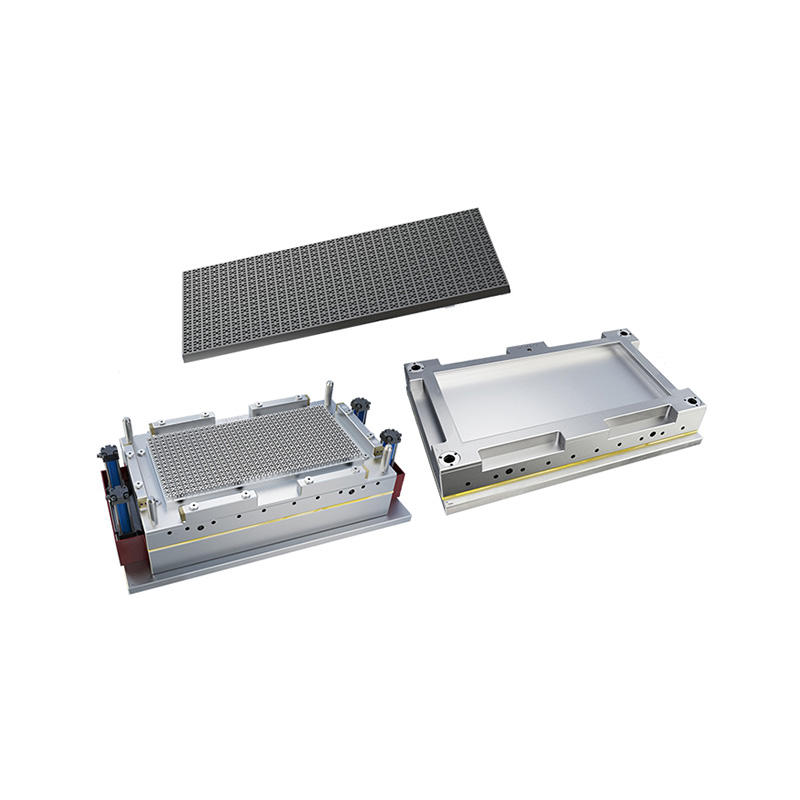
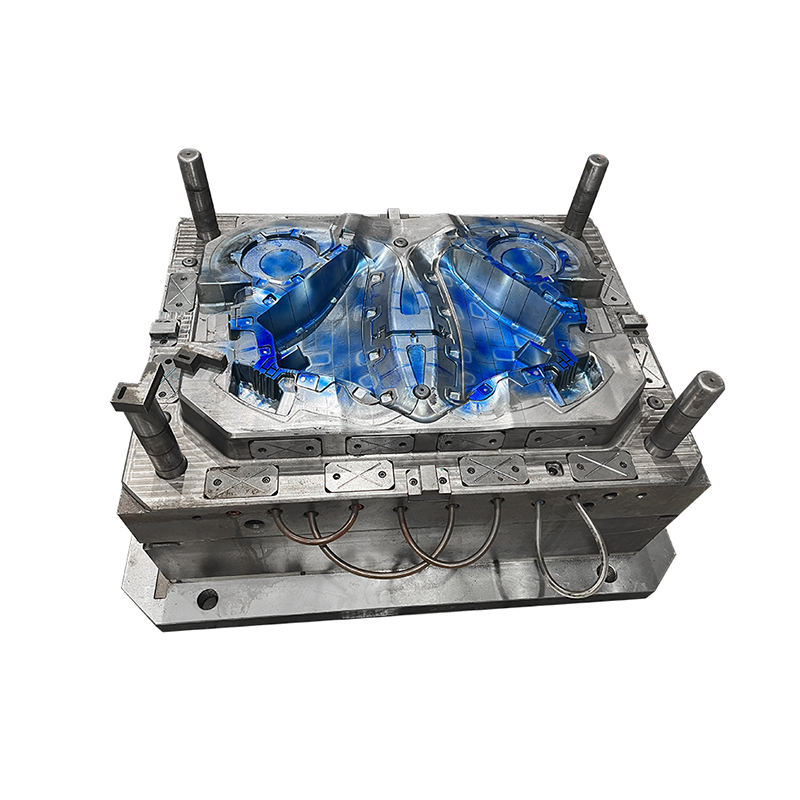
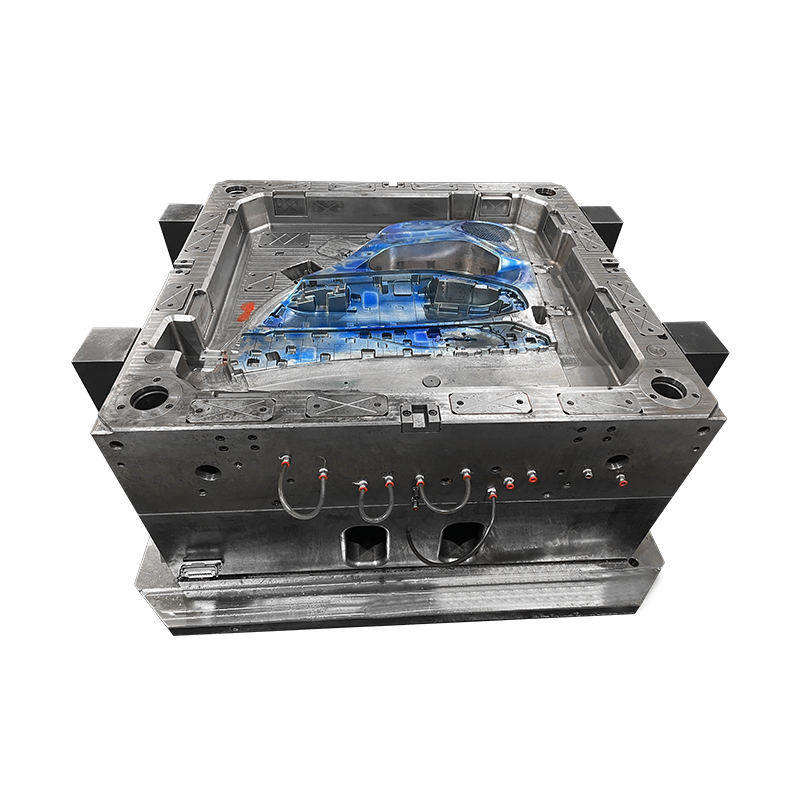
BMC Manhole Cover Mould
|
Cover Shape |
Round / Rectangle / Square |
|
Cover Load |
A15, B125, C250, D400; according to customer standards requirement |
|
Mould Type |
Compression mould |
|
Mould Steel |
P20 / S50C / S45 |
|
Mould Cavity |
Single cavity / Multiple cavities / Multiple cavities with interchangeable inserts |
|
Heating System |
Oil heating / Electrical rods heating |
|
Ejection System |
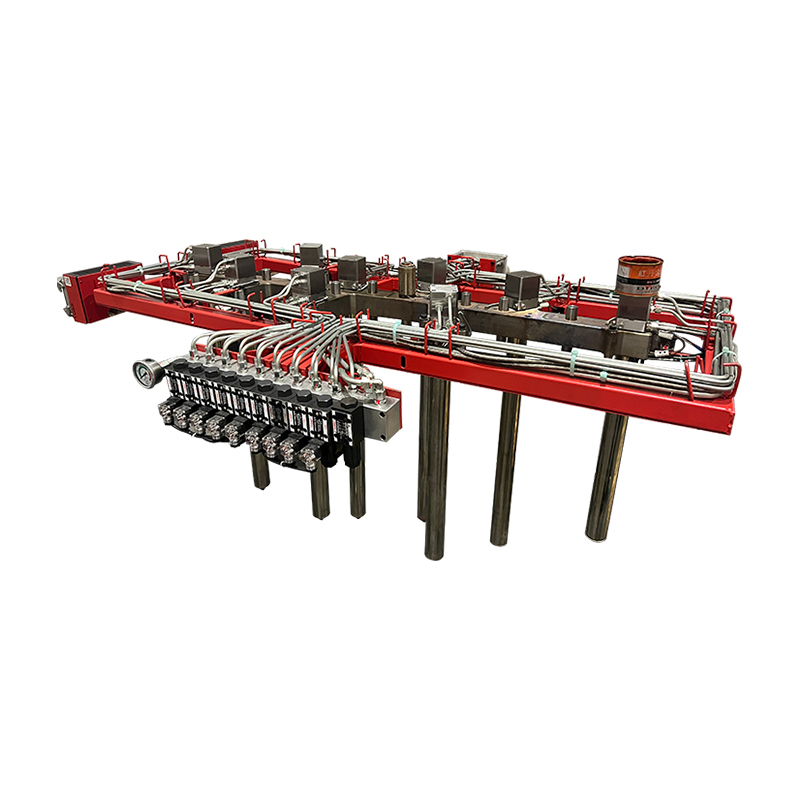
Hydraulic eject with air assist / hydraulic pins |
|
Mould Cycle |
depends on mould steel, P20 could support around 300 thousand lifespans |
|
Lead Time |
50 days |
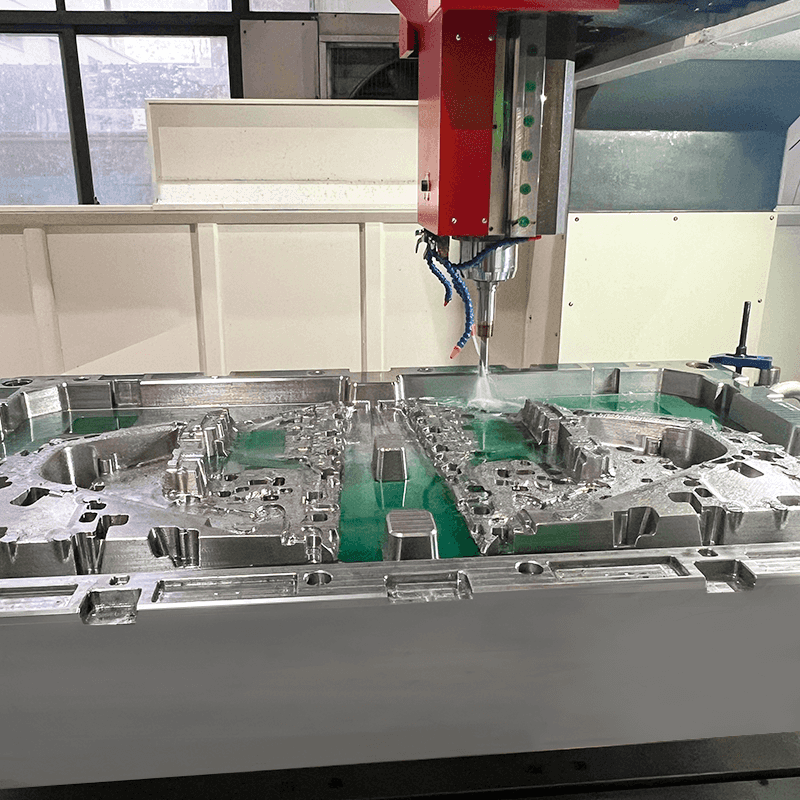
Liberal Mould specialises in composite mould and injection mould, we are capable of providing a one-off solution for our customers from mould development, design, and mould making to finished products according to our customer requirements.
A BMC manhole cover mould shapes the production of composite covers used across drainage systems and utility access points. Getting the material, features, and maintenance right determines whether the finished covers actually hold up once installed.
Material
The mould body is typically built from high-strength steel, chosen specifically to withstand the pressure and heat repeated moulding cycles put on it. Surface treatment helps cut down corrosion and wear over time. The mould shapes Bulk Moulding Compound (BMC) — a composite of resin, reinforcing fibres, and additives — so its structure needs to suit how BMC actually behaves during forming and curing.
Main Features
- Stable mould structure — supports repeated operations while holding the finished shape consistently.
- Precise shape design — the cavity can produce covers in different sizes, shapes, and surface patterns.
- Customisable structure — adjustable to match product drawings, thickness, and edge details.
- Suitable for repeated production — keeps dimensions consistent across batches.
- Practical maintenance — accessible surfaces make cleaning and inspection easier.
Main Advantages
1.Consistent product shape across every cover produced.
Support for load-bearing design — though actual capacity depends on the BMC formulation and manufacturing process together, not the mould alone.
Resistance to environmental exposure — moisture, temperature swings, and certain chemicals, depending on formulation.
2.Flexible product design for different installation needs.
Production efficiency — fewer issues with filling, surface defects, or demoulding.
Application Fields
These moulds serve municipal drainage, roadside inspection chambers, residential and commercial properties, industrial drainage, utility access points, and pedestrian areas. The finished cover still needs designing around its actual installation environment and expected load.
Design and Manufacturing Considerations
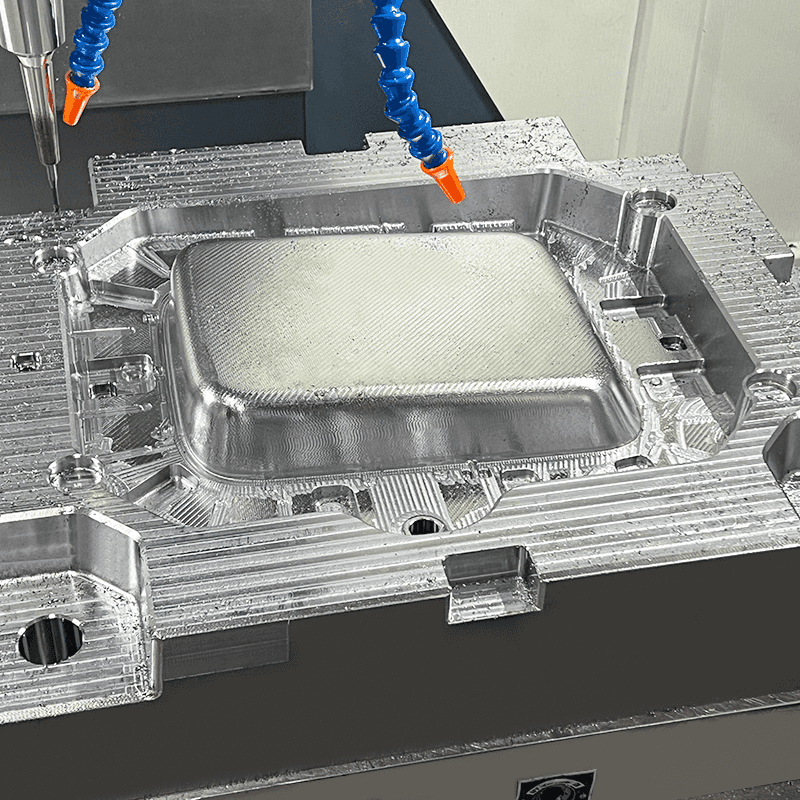
Mould design should track closely with product drawings and BMC material properties. Cavity shape, wall thickness, reinforcing details, and surface texture all affect filling and final quality. Material flow, curing conditions, and demoulding methods shape production stability — proper venting and closure help avoid trapped air, incomplete filling, and uneven surfaces.
Maintenance and Precautions
- Regular cleaning — clear residual material and debris after production.
- Surface inspection — watch for wear, corrosion, or damage.
- Correct operating conditions — follow recommended settings for the chosen material.
- Careful demoulding — avoid excessive force.
- Proper storage — clean and protect before extended downtime.
- Routine maintenance — check moving parts and closure areas regularly.
A consistent maintenance routine does more for long-term stability than any single design feature on its own.

-
Address: Xiayanggu Industrial Area, Beicheng Street, Huangyan District, Taizhou City, Zhejiang, China.
-
Phone: +86-576-84203239 / +86-13511478976 /
+86-13511476688 / +86-13586042245 -
Email: [email protected] /[email protected] /[email protected]
-

Julia Chen
[ Managing Director ] -

Howard Lew
[ Project Manager ] -

Grant Zhang
[ Project Manager ]
Copyright © Taizhou Chenlin Plastic Mould Co., Ltd.

BMC Manhole Cover Mould Supplier