ENG
ENG  English
 Español
 Português
 عربى
عربى 中文简体
中文简体SMC product OEM is a production approach that appears simple on the surface but involves a structured and coordinated process behind the scenes. It connects material preparation, mould forming, and product delivery under one manufacturing flow. The term itself refers to customized production of components using a specific composite material, carried out according to external design needs.
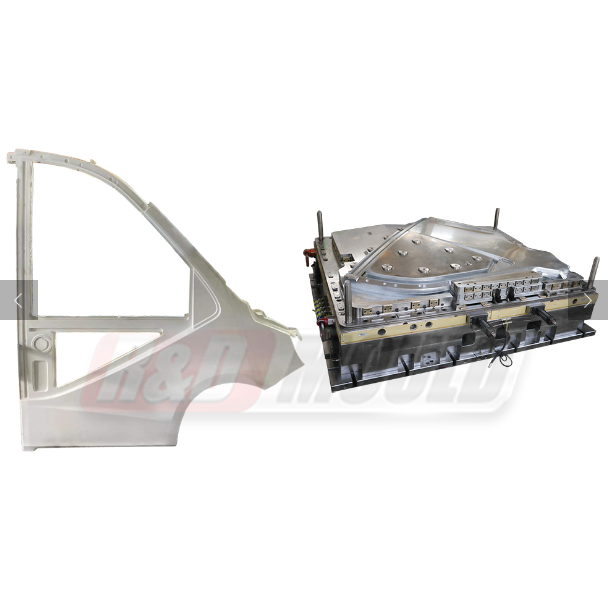
In many industrial settings, this method is used when products require a balance of strength, shape stability, and repeatable output. The process is not defined by a single action. It is shaped by a chain of steps, each influencing the next.
What Does SMC Product OEM Mean in Practical Terms?
SMC refers to the manufacturing of molded composite parts based on external requirements. The focus is on producing items that follow a provided design while using a standardized material system.
In practice, this means a company provides a design or concept, and a production facility handles the shaping and output. The material used is pre-prepared in sheet form before entering the moulding stage.
The appeal of this method lies in its structured nature. It allows repeated production of similar items without changing the core material behavior. This consistency supports industries that rely on stable component performance.
The process also allows variation in shape and function. While the material remains consistent, the final product can differ widely depending on mould design and production settings.
How Does the Production Flow Begin?
The process starts with material preparation. Sheets of composite material are stored in controlled conditions before use. These sheets are ready for shaping but still require careful handling.
Before production begins, the material is checked for condition and usability. It must remain stable and free from distortion. Once prepared, it is cut or arranged into forms suitable for mould placement.
At this stage, timing becomes important. The material should not remain exposed for too long. Exposure can affect its behavior during shaping. Workers or automated systems manage this step carefully.
The preparation stage sets the tone for the rest of the process. If handled well, later stages become smoother. If not, adjustments may be needed downstream.
What Happens During the Moulding Stage?
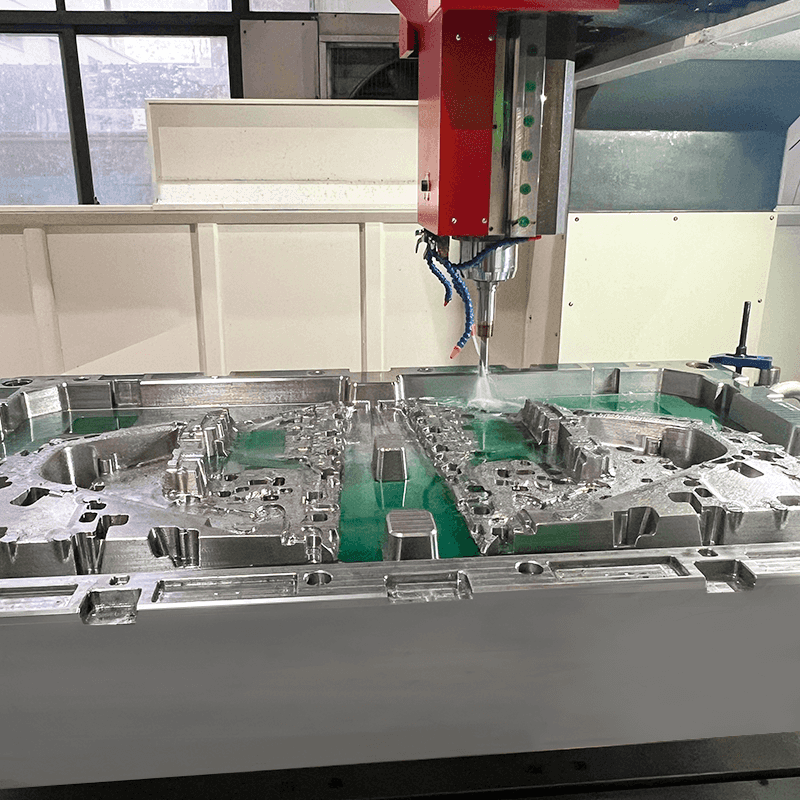
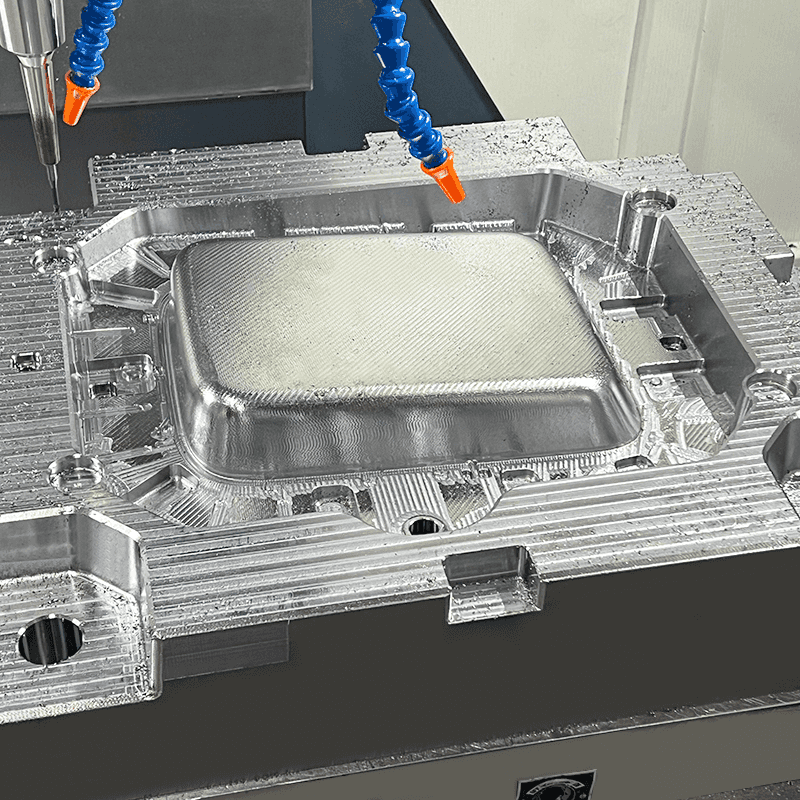
Moulding is the central part of SMC product. This is where flat material becomes a shaped object. The material is placed inside a mould designed to match the required form.
Once positioned, pressure and controlled conditions are applied. The material begins to take the shape of the mould cavity. This step is not instant. It follows a gradual transformation from soft placement to structured form.
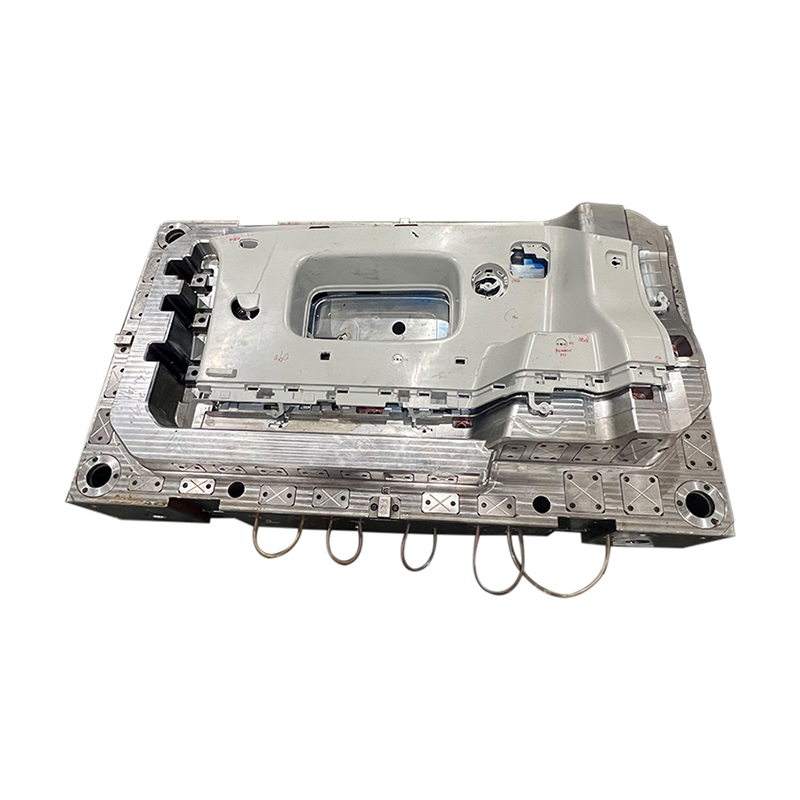
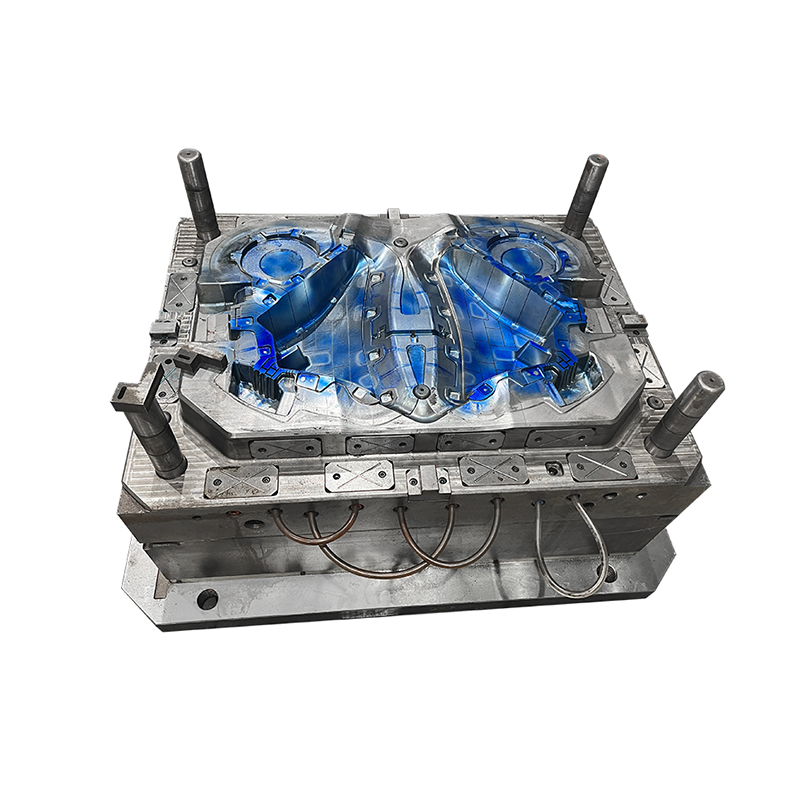
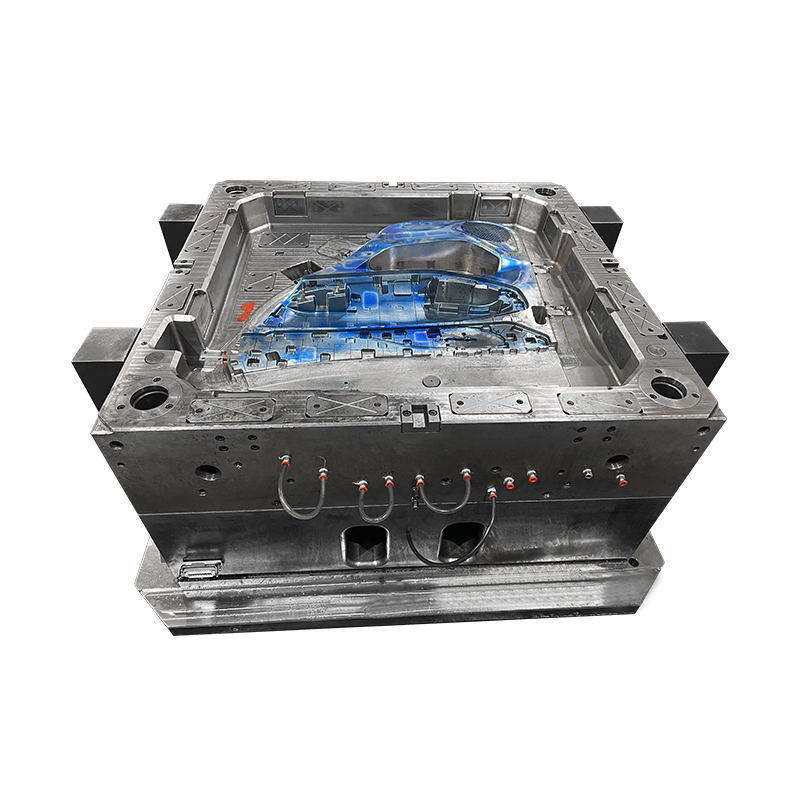
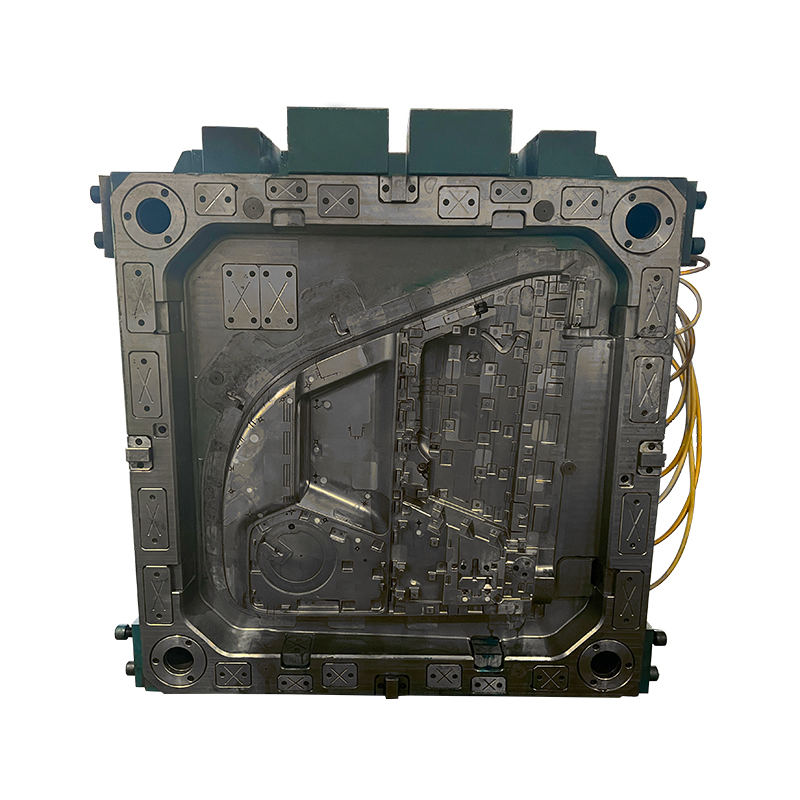
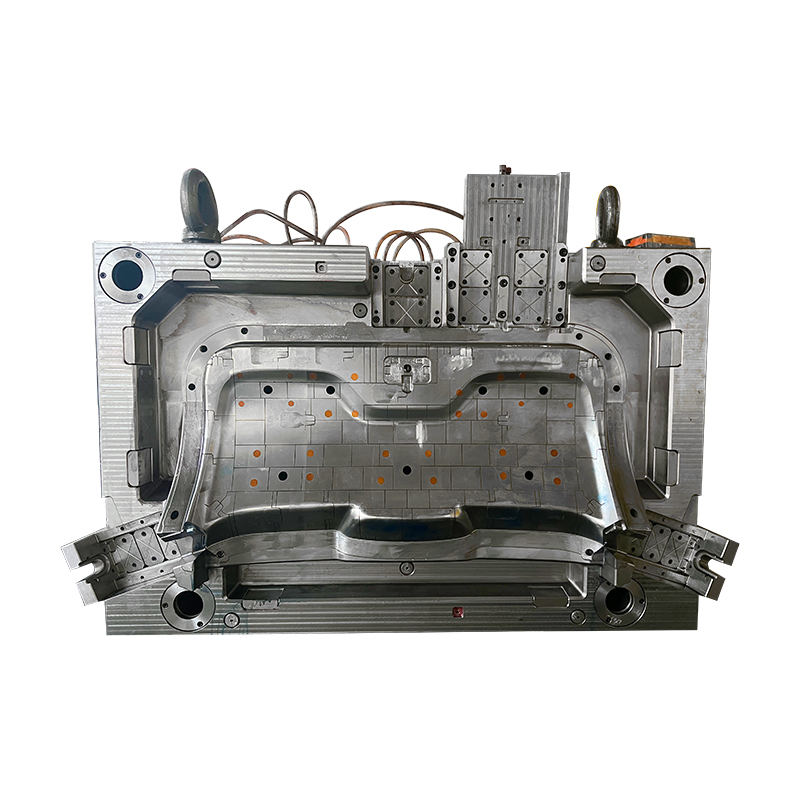
The mould itself plays a major role. Its surface, shape, and alignment determine the final outcome. Any irregularity in the mould can affect the product surface.
During this stage, operators monitor the process. Small adjustments may be made to ensure the material spreads evenly. The goal is to achieve full contact between material and mould without distortion.
The moulding stage defines the product's structure. Everything before it prepares for this moment, and everything after it depends on it.
Why Is Temperature and Pressure Control Important?
Control over temperature and pressure is essential in SMC product. These two elements guide how the material responds inside the mould.
Temperature influences how the material softens and adapts to shape. Pressure ensures that it fills the mould completely. If either element is inconsistent, the result may vary.
Maintaining balance is not always straightforward. Different shapes require different handling. A flat structure behaves differently from a curved or layered one.
Operators rely on observation and experience. They monitor how the material reacts and adjust conditions when needed. This step requires attention rather than speed.
The goal is not to rush the process but to maintain steady transformation. A stable environment leads to more consistent output.
How Is Product Consistency Maintained Across Batches?
Consistency is a key expectation in OEM production. When multiple units are produced, they must maintain similar shape and performance.
This begins with controlled material preparation. If the input remains stable, the output is easier to manage. However, material alone does not guarantee consistency.
Mould condition also plays a role. A well-maintained mould produces more uniform results. Surface wear or residue can affect appearance and structure.
Production teams often follow established routines. These routines guide timing, placement, and handling. Even small differences in execution can influence results.
Inspection is another layer of control. Products are checked during and after production. This helps identify variations early.
Consistency is not achieved through a single action. It is the result of repeated attention across the entire process.
What Types of Products Are Commonly Produced?
SMC product OEM is used in a wide range of applications. The method supports different shapes and functional requirements.
Below is a general overview of typical product categories:
| Product Type | Common Characteristics | Usage Context |
|---|---|---|
| Structural Panels | Flat and stable surfaces | Enclosures and coverings |
| Housing Components | Enclosed or semi-enclosed forms | Equipment protection |
| Support Parts | Load-bearing structures | Mechanical assemblies |
| Functional Covers | Protective outer layers | Industrial systems |
| Custom-Shaped Parts | Application-specific designs | Specialized equipment |
Each category shares the same production foundation but differs in design intent. The flexibility of mould shaping allows adaptation without changing the base material system.
How Does Design Influence the OEM Process?
Design is the starting point of every OEM project. It defines shape, size, and function. It also influences how the material behaves during production.
Complex shapes require careful mould planning. Simple forms may move through production more smoothly. However, simplicity does not always mean easier production.
Design must also consider material flow. If the material cannot reach certain areas of the mould easily, adjustments are needed.
Communication between design and production teams plays an important role. Ideas must be translated into workable forms. Misalignment between intention and execution can lead to rework.
Design is not separate from production. It is part of the same cycle.
What Challenges Appear in SMC Product OEM Production?
Several challenges can appear during production. They are often linked to material behavior, mould condition, or process control.
One common challenge is uneven material distribution. If material does not spread properly, the final shape may vary.
Another issue is surface irregularity. This may come from mould condition or environmental factors.
Timing also plays a role. Delays between steps can affect material response. Coordination is important to avoid gaps in workflow.
Inspection helps detect these issues, but prevention is more effective than correction. Many factories focus on maintaining stable conditions rather than fixing problems later.
How Is Quality Observed Without Overcomplication?
Quality control in SMC product does not rely on overly complex systems. It is often based on visual checks, physical testing, and comparison with design expectations.
Visual inspection looks at surface condition and shape alignment. Physical checks may involve simple handling to assess stability.
Comparison with reference models helps identify differences. Even small variations can be noticeable when viewed side by side.
Feedback loops support continuous adjustment. When issues appear, teams review earlier steps to understand where changes occurred.
Quality is not a single checkpoint. It is distributed throughout the process.
How Does OEM Production Adapt to Different Requirements?
OEM production is flexible by nature. While the material system remains consistent, product requirements can vary widely.
Adaptation begins with mould design changes. A new shape may require a different mould layout. Adjustments in process timing may also be needed.
Production lines are often arranged to handle variation without complete restructuring. This allows different products to be manufactured within the same system.
The ability to shift between designs supports a wide range of applications. It also allows response to changing needs without major disruption.
What Role Does Workflow Coordination Play?
Workflow coordination connects all stages of production. Without coordination, even well-designed systems can face delays or inconsistencies.
Material handling, mould preparation, shaping, and inspection must align. Each step depends on the previous one being completed correctly.
Communication between teams supports this alignment. Information moves between design, production, and quality checks.
Small adjustments in timing or handling can improve flow. These adjustments are often based on observation rather than fixed rules.The process works as a connected chain rather than isolated tasks.
SMC product OEM continues to operate as a structured yet adaptable manufacturing approach. Its process reflects a balance between material behavior, design intent, and controlled production flow.